

Choosing between real and synthetic grass is a common dilemma for homeowners, businesses, and sports facilities. While natural grass provides a traditional and organic feel, synthetic alternatives offer practical benefits that cater to modern lifestyles. Factors such as maintenance, cost, durability, and environmental impact play important roles in this decision. Whether you are considering an artificial lawn for gardens, a sports field, or a pet-friendly yard, understanding the pros and cons of each option will help you make the best choice.
Understanding the Differences Between Real and Synthetic Grass
The debate about real vs. synthetic grass starts with fundamental differences in appearance, upkeep, and longevity.
Real Grass:
Real grass provides a natural aesthetic, texture, and scent that many homeowners prefer. However, it requires regular watering, mowing, and fertilising to stay healthy. Additionally, real grass can struggle in extreme weather conditions, making it difficult to maintain a lush lawn year-round.
Synthetic Grass:
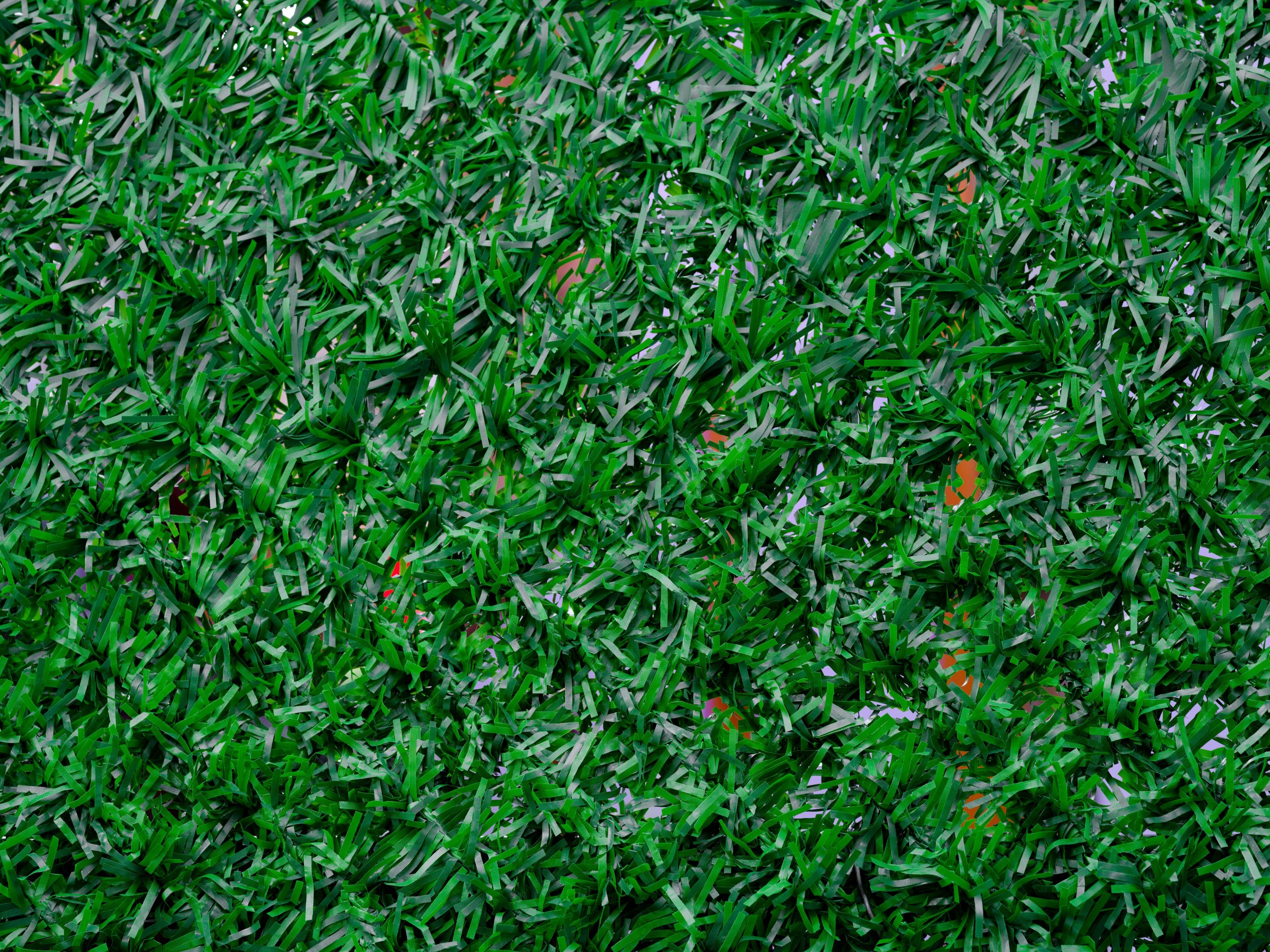
Synthetic grass, on the other hand, is low-maintenance and requires no watering or mowing. It is made from durable materials designed to mimic real grass and stays green all year round, regardless of climate. This makes it a popular choice for those looking to save time and effort on lawn care.
Pros and Cons of Real Grass
Advantages:
- Offers a natural look and feel preferred by many homeowners.
- Helps with oxygen production and contributes to a cooler environment.
- Can support healthy soil ecosystems in suitable conditions.
Disadvantages:
- Requires significant grass maintenance, including watering, mowing, and fertilising.
- Prone to damage from extreme weather, pests, and foot traffic.
- Ongoing costs for upkeep, such as fertilisers, pest control, and lawn care tools, add up over time.
Pros and Cons of Synthetic Grass
Advantages:
- Artificial grass benefits include minimal maintenance requirements.
- Long-lasting and can withstand heavy use without fading or damage.
- Ideal for drought-prone regions where water conservation is essential.
- Pet-friendly artificial grass options resist digging, odours, and stains.
Disadvantages:
- Higher upfront installation costs than seeding or sod.
- Can absorb heat, making it warmer under direct sunlight.
- Some products contain non-biodegradable materials, though eco-friendly alternatives are available.
Key Factors to Consider When Choosing Between Real and Synthetic Grass
Maintenance Requirements:
Real grass requires constant care, including mowing, watering, and fertilising. In contrast, artificial lawn solutions are virtually hassle-free, requiring minimal upkeep to maintain their pristine appearance.
Cost Over Time:
Although synthetic grass has a higher initial cost, real grass incurs continuous expenses related to watering, mowing, and fertilisation. Over time, synthetic turf may prove to be a more cost-effective investment.
Durability and Longevity:
Durable synthetic grass withstands wear and tear far better than natural grass, making it ideal for high-traffic areas such as playgrounds and sports fields. Natural grass, on the other hand, is more susceptible to damage and may require frequent reseeding.
Environmental Impact:
Real grass helps absorb CO2 but demands significant water and chemical treatments to thrive. In contrast, synthetic turf conserves water but may have a larger carbon footprint due to its manufacturing process. Fortunately, newer artificial grass options incorporate recyclable and eco-friendly materials, reducing their environmental impact.
Aesthetic Preferences:
Some people favour the authentic scent and feel of natural grass, while others appreciate the evergreen, tidy look of synthetic alternatives. The decision often comes down to personal preference and the level of commitment one is willing to invest in lawn care.
Best Uses for Real and Synthetic Grass
Best Uses for Real Grass:
Real grass is best suited for residential lawns where homeowners enjoy gardening and are willing to invest in regular maintenance. It is also a preferred choice for golf courses where a natural aesthetic is essential. Additionally, areas with adequate rainfall can sustain healthy grass growth with less effort.
Best Uses for Synthetic Grass:
Synthetic grass for sports fields, playgrounds, and pet-friendly yards is a practical choice due to its durability and low-maintenance nature. It is also ideal for homes in drought-prone areas where water conservation is vital. Additionally, synthetic turf is commonly used in rooftop gardens, patios, and commercial properties requiring a polished look year-round.
Making the Right Choice for Your Home or Facility
Ultimately, choosing between real and synthetic grass depends on your priorities. If you enjoy gardening and don’t mind ongoing grass maintenance, natural grass could be the best fit. However, if you seek a durable synthetic grass solution with minimal upkeep, artificial turf may be the ideal option.
Get Expert Advice on the Best Grass Solution for Your Needs
For personalised advice and high-quality artificial lawn solutions, consult with experts. EasyGrasse offers premium synthetic grass products with professional installation and maintenance services.
Contact EasyGrasse today to find the perfect grass solution for your home, business, or sports field!